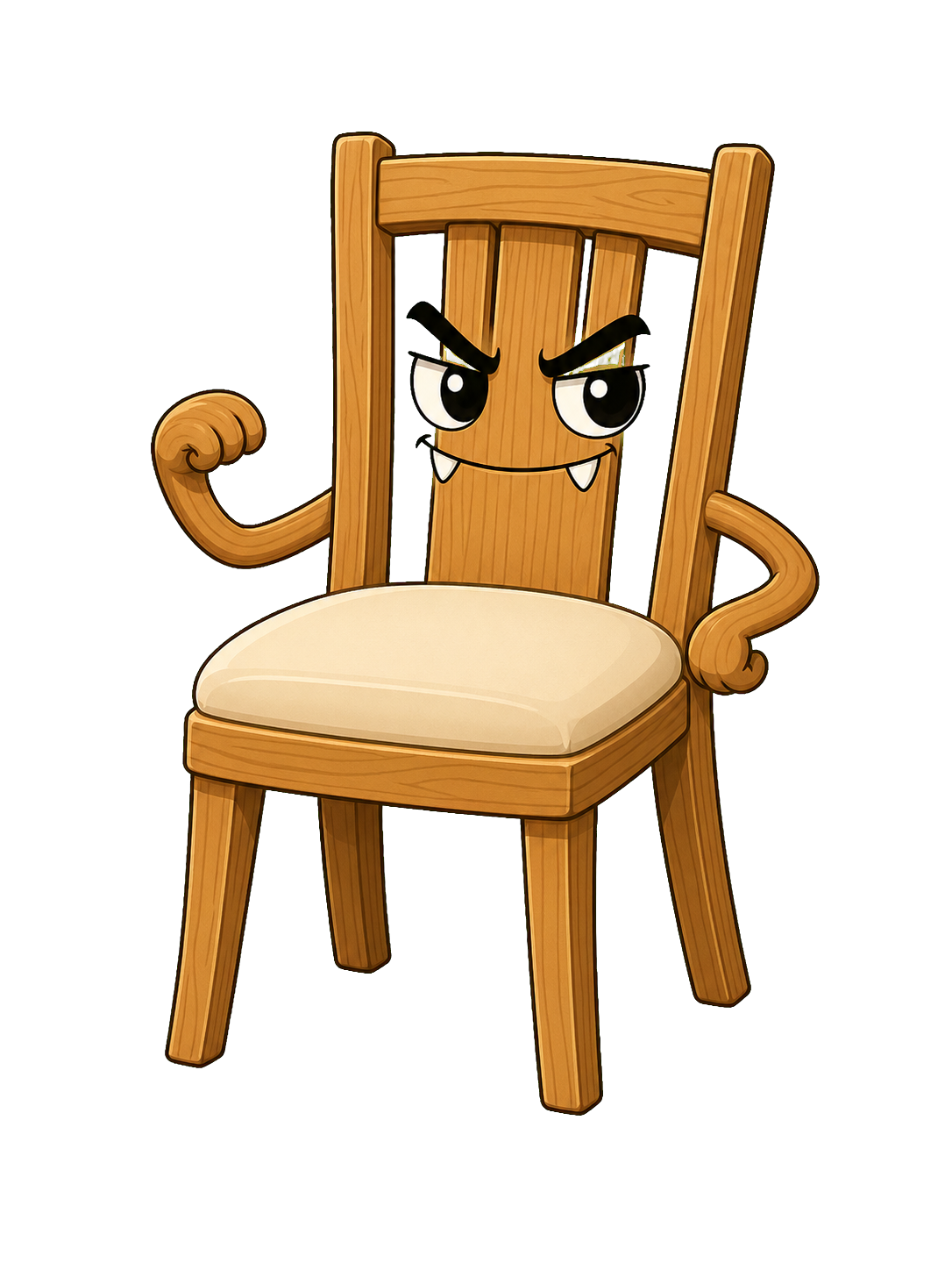
Reviewing a habit app is awkward. The interesting question — does this thing actually change my behaviour? — cannot be answered in a screenshot. It can only be answered by living with the app for long enough that the novelty wears off and whatever is left is the real product. So I gave Upster two weeks of ordinary work days: deep-work mornings, meeting-heavy afternoons, the occasional travel day. What follows is what the app felt like once the novelty wore off, what I would change, and who I would and would not recommend it to.
Setup: under two minutes, then leave it alone
Setup was the part I expected to dislike most and ended up appreciating. Upster asks for three things: a default reminder interval (45 minutes felt right, which is also the default), quiet hours (I picked 9pm to 7am), and a default movement break (I picked "stand and walk", the most generic option). That was it. There was no onboarding quiz, no list of fitness goals, no dark-pattern push to upgrade to premium during setup. The whole thing took ninety seconds and the app immediately got out of the way.
This restraint matters more than it sounds. Most habit apps make the configuration screen the product, which is exactly backwards: the product is the daily moment when the notification fires. Upster understands this and shows it.
The first week: the chair villains earn their keep
I went into the review skeptical of the chair-villain framing. Cartoon mascots either work or they curdle, and on the App Store screenshots I could not tell which side this app was on. By Wednesday afternoon I had defeated Chill Thrill (a wobbly papasan), Snap Judgment (a polite-bully dining chair), and Spin Doctor (a conference-room recliner). I was, mildly to my own embarrassment, looking forward to the next notification.
The mechanism is straightforward: when the timer fires, the notification names the villain and offers a one-tap movement break. The act of "defeating" a chair takes 90 seconds. The streak counter ticks up. The next interval picks a different villain. By the end of the first week the chairs had become characters and the streak had become something I cared about more than I would have predicted.
The second week: the engineering shows
Week two was when the design choices that are easy to miss in week one became obvious. Upster did not fire during my Tuesday all-hands. It did not fire while I was on a call. It did not fire during quiet hours. It did not send the same villain twice in a row. It did not nag me when I had clearly already moved (I was in transit on Wednesday and the app stayed quiet). These are unglamorous behaviours that distinguish a well-engineered habit app from a noisy one, and they are the reason I still had the app installed by day fourteen instead of by day four.
The biggest test of any reminder app is whether the user is actively trying to mute it by week two. I was not. The streak — at thirteen by the time I write this — is a non-trivial part of why.
What is genuinely better, and what is not
The honest review needs a cons section, so here it is. The chair-villain framing is polarising. If cartoon mascots irritate you on principle, two weeks of streaks will not change that. The villain art is charming for the first dozen chairs and starts to repeat after that — the catalogue feels small, and the developers will need to keep adding antagonists to keep the schtick fresh. The streak system, while motivating, has the standard streak-system risk: a missed day could feel disproportionately punishing. Upster softens this with a forgiving recovery window, but the underlying psychology is real.
What is genuinely better than the alternatives I have tried — Apple's Stand reminder, a kitchen timer, a calendar event every hour — is the combination of variable cues, a one-tap suggested action, and a streak that creates intrinsic reward. None of those features alone is novel. Together, they are the difference between a notification I tap "dismiss" on and a notification I actually act on.
Who Upster is for
Upster is for desk workers who already know they sit too much and have already failed at every low-friction intervention. If a kitchen timer worked for you, you do not need Upster. If you have a treadmill desk you walk on for four hours a day, you do not need Upster. If you fall into the median case — eight to ten hours of sitting, mild stiffness by Friday, an honest admission that the various reminder apps you have installed have all become wallpaper within a week — Upster is the most considered attempt at this category I have used.
The peer-reviewed evidence on movement breaks is not in dispute. Harvard Health and other respected medical publishers have spent the last decade documenting the cardiovascular, metabolic and musculoskeletal benefits of breaking up sitting bouts every 30 to 60 minutes. The hard part is the doing, not the knowing. Upster is the first reminder app I have used that takes the doing problem seriously.
Source: Harvard Health Publishing — The Dangers of Sitting. Plain-English summary of the evidence linking prolonged sitting to cardiovascular and metabolic disease, and the protective effect of frequent movement breaks.
Continue reading: the launch announcement, an inside look at how the chair-villain universe was designed, the plain-English explainer, the broader category of apps that help you move more, or just the home page and how Upster works.